Kukui Nut: From Ancient Light Source to Modern Skincare
Hawaii's state tree has lit homes for a thousand years. Today, the same oil that burned in ancient lamps heals sun-damaged skin and soothes chronic dryness.
Walk any North Shore trail and you'll encounter kukui trees—tall, distinctive, with pale silvery-green leaves that catch light differently than the surrounding forest. The Hawaiians called it kukui. The rest of the world knows it as candlenut. Both names point to the same remarkable truth: this tree has been illuminating Hawaiian life for over a thousand years.
Today, kukui nut oil sits on bathroom shelves across the islands. But before it became a skincare staple, kukui was literal light—burned in stone lamps to guide families through dark nights, mark safe harbors for voyaging canoes, and illuminate the work of kapa makers and fishermen.
The same oil that once lit ancient Hawaii now soothes sunburned skin and heals the chronic dryness that comes from salt, sun, and wind.
The State Tree with Silvery Leaves
The kukui (Aleurites moluccanus) became Hawaii's official state tree in 1959—the same year Hawaii achieved statehood. The choice wasn't arbitrary. Kukui trees mark the landscape with their distinctive pale canopy, visible from miles away against the darker greens of native forests.
Ancient Hawaiians planted kukui groves near settlements as living landmarks, and many of those historic groves still stand on the North Shore today.
The tree itself grows 50 to 80 feet tall. Its leaves appear almost white in certain light, covered in fine hairs that reflect sunlight. This silvery appearance made kukui groves easy to spot from the ocean—natural navigation markers for canoes returning home. The nuts themselves grow in hard, black shells, each containing two to three oil-rich kernels.
Ancient Light: Kukui as Illumination
Before electricity, before kerosene, there was kukui. Hawaiian families harvested the nuts, cracked them open, and extracted kernels rich with oil—up to 60% oil by weight. These kernels could be burned whole, threaded onto coconut midribs like a primitive candle, or crushed to extract oil for stone lamps called kukui hele pō (traveling light).
A single kukui nut lamp could burn for hours. Fishermen carried them in carved stone holders to light nighttime fishing. Kapa makers worked by kukui light, pounding bark cloth late into evening. The chiefs kept kukui lamps burning outside their homes—both practical illumination and symbolic representation of leadership providing light for the community.
The tradition of kukui as light persisted well into the 20th century in remote areas. Some kūpuna (elders) still remember their grandparents using kukui nut lamps during power outages or in fishing shacks along the coast.
Traditional Hawaiian Medicine: Healing from the Inside Out
While kukui lit the night, it also healed the body. In traditional lāʻau lapaʻau (Hawaiian medicine), kukui served multiple purposes—most centered around skin health and digestive issues.
Kahuna lāʻau lapaʻau (healing practitioners) used kukui nut oil topically for severe sunburn and heat-related skin damage, chronic dry skin and cracked heels common among fishermen, infant skin irritation, wound healing and scar reduction, and joint pain when mixed with other medicinal plants.
Internally, small amounts of kukui nut were consumed as a powerful laxative. The oil's purgative properties were well-known—so effective that kukui was considered serious medicine, not casual remedy. Dosage mattered. Too much kukui oil caused severe digestive distress. Used correctly, it cleared intestinal blockages and addressed constipation when other remedies failed.
The preparation required knowledge and respect. Healers roasted the nuts carefully, extracted oil through specific processes, and combined kukui with other medicinal plants like ʻōlena to moderate its strength. This wasn't folk medicine stumbled upon by accident—it was refined pharmaceutical knowledge passed down through generations of practitioners.
Modern Skincare: What Science Says
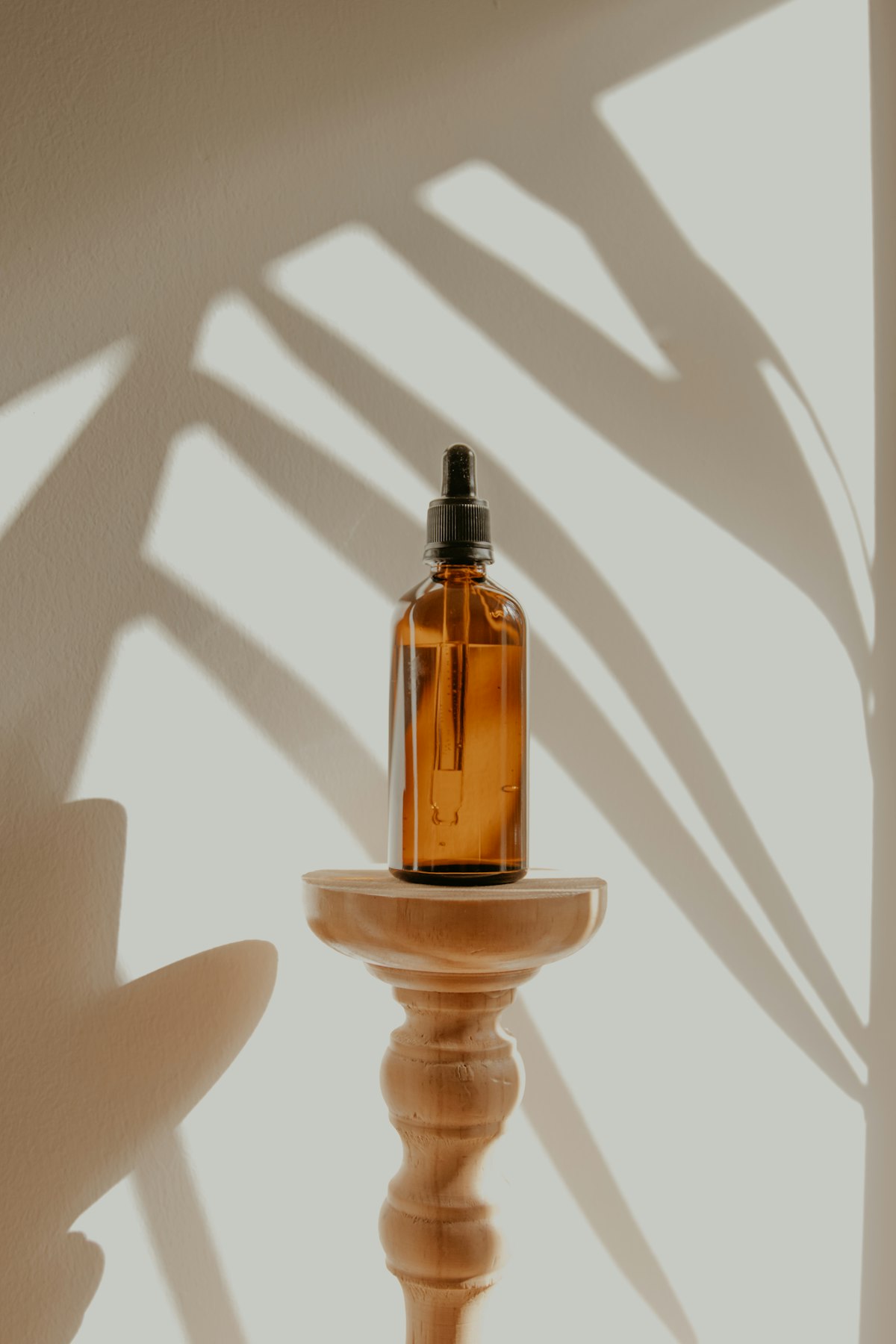
Contemporary research has caught up with what Hawaiian healers knew empirically. Kukui nut oil contains an unusual fatty acid profile that makes it particularly effective for skin health.
Linoleic Acid (40%): An omega-6 fatty acid that helps repair the skin's moisture barrier. Research shows linoleic acid reduces transepidermal water loss—the scientific term for skin drying out.
Alpha-Linolenic Acid (30%): An omega-3 fatty acid with anti-inflammatory properties. Studies indicate it helps calm irritated skin and reduce redness associated with conditions like eczema and psoriasis.
Oleic Acid (20%): A monounsaturated fat that penetrates skin easily, carrying other beneficial compounds deeper into skin layers.
Vitamins A, C, and E: Antioxidants that protect skin from environmental damage and support cell regeneration.
What makes kukui oil exceptional isn't any single component—it's the combination. The oil absorbs quickly without leaving greasy residue. It doesn't clog pores. It works for all skin types, from the driest winter skin to tropical humidity conditions. And unlike many plant oils, kukui doesn't go rancid quickly, making it stable for cosmetic formulations.
How to Use Kukui Nut Oil
Modern kukui oil comes in several forms—pure oil, lotions, balms, and soaps. Here's what works:
Pure Oil: The most traditional application. A few drops warmed between palms and applied to damp skin after bathing. It absorbs within minutes.
After-Sun Treatment: Apply generously to sunburned skin. The anti-inflammatory properties help, but this isn't prevention—use real sunscreen before sun exposure.
Hair Treatment: Work small amounts into dry hair ends or use as pre-shampoo scalp treatment. Rinse thoroughly unless you want the "wet look."
Important: Pure kukui oil should smell nutty and mild. Rancid oil smells sharp and unpleasant—don't use it. Store in cool, dark places. Most quality kukui oil lasts 6-12 months once opened.
Where to Find Kukui on the North Shore
You don't need to buy kukui oil to experience kukui trees. They grow throughout the North Shore, often marking historic Hawaiian settlement sites.
Waimea Valley: The botanical garden contains ancient kukui groves planted by early Hawaiian communities. Walk the valley trail and you'll pass under silvery kukui canopies that have shaded this land for centuries.
Pupukea: Look for kukui trees along mountain trails above Sunset Beach. Their pale leaves stand out against darker forest green.
Haleiwa Town: Several large kukui trees grow in yards and along Haleiwa Road—living reminders of traditional plantings.
You can collect fallen nuts from public areas (not from private property or protected lands). The hard black shells need serious force to crack—Hawaiians used smooth river stones as hammers. Inside, you'll find the pale, oily kernel that lit ancient homes and continues to heal modern skin.
The kukui tree stands as living evidence that Hawaiian traditional knowledge and modern science often arrive at the same conclusions. What ancient healers understood about kukui's skin-healing properties through careful observation and generational knowledge, dermatologists now confirm through clinical studies.
The state tree of Hawaii offers more than symbolic importance—it provides practical medicine growing right alongside the trails we walk today.